The bot that joined first
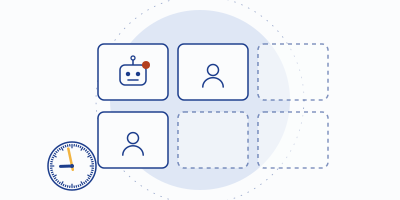
You've been in this meeting. The call opens, and before the host arrives — before any human arrives — there's already someone in the room: Notetaker, or Fred (Fireflies.ai), or Otter, sitting in the participant list with a logo for a face and the patience of furniture. Then the people file in, and the first order of business, unlisted on any agenda, is a small investigation. Whose is that? Is it recording? Are we okay with it? Someone makes the joke — there's always the joke — about watching what we say. Everyone laughs, and everyone also, subtly, begins watching what they say.
The meeting bot is a genuinely strange social invention: a disclosure mechanism that works by being awkward. It is honest the way a courtroom stenographer is honest — visible, official, impossible to forget. That's its virtue. Nobody who can read a participant list was recorded without knowing. But courtrooms feel like courtrooms for a reason, and rooms speak differently in front of a stenographer. Candor is the first casualty; the second is the throwaway idea, the half-formed thought someone would have floated to colleagues but won't file into a searchable archive attributed to their name forever.
The deeper oddity is that the bot's employer isn't in the room. When a colleague takes notes, you know where the notes live and who to ask for them. The bot works for a vendor, files to a cloud, retains per a policy nobody present has read, and answers questions with a marketing page. We keep a whole file on where those recordings actually go; the summary is that "it's just taking notes" is doing heavier lifting in that sentence than most rooms realize.
None of this is an argument against note-takers. This desk exists because the tools work — minutes that write themselves are one of the honest miracles of the decade, and we rank the miracle-workers with real enthusiasm. It's an argument about manners, and manners are what we're all improvising right now. The etiquette hasn't been written yet, so meetings write it live: some teams treat the bot as furniture by week two; some clients quietly rate you by whether you asked first; some candidates walk out of interviews and tell their friends about the robot that watched them.
Our proposed manners are boring and take eleven seconds: announce, offer, share. Say the bot is yours and why. Make switching it off a real offer, cheerfully honored. Send everyone the summary, so the record is a service rather than surveillance. Do that consistently and the bot becomes what it should have been all along — a slightly awkward colleague who's very good at one thing.
And if the awkwardness itself is the problem — if your rooms are the kind that stiffen — the industry heard you. Capture is going bot-free: Krisp listens at the device and never appears in the list at all (an affiliate of this site, we note in the same breath), and Fathom is beta-testing the same idea. Which, of course, trades one etiquette problem for its mirror image: no bot to explain means the explaining is all yours. The participant list used to do your disclosure for you. Now you have to say the sentence.
Say the sentence. The bots are staying; the manners are ours to keep.
Further filing: the bot-free field guide · consent & etiquette · the other margin note